Dry Fly Straight Triticale Whiskey
Spokane
The bottle
- Bottle
- Dry Fly Straight Triticale Whiskey, 750ml
- Proof
- 90
- Aged
- Three years in new 53-gallon American oak
Washington Wild board member Brian Muegge once pointed out how, driving into Spokane from the west, you rapidly move through several distinct ecosystems. I think about this every time I drive into town:
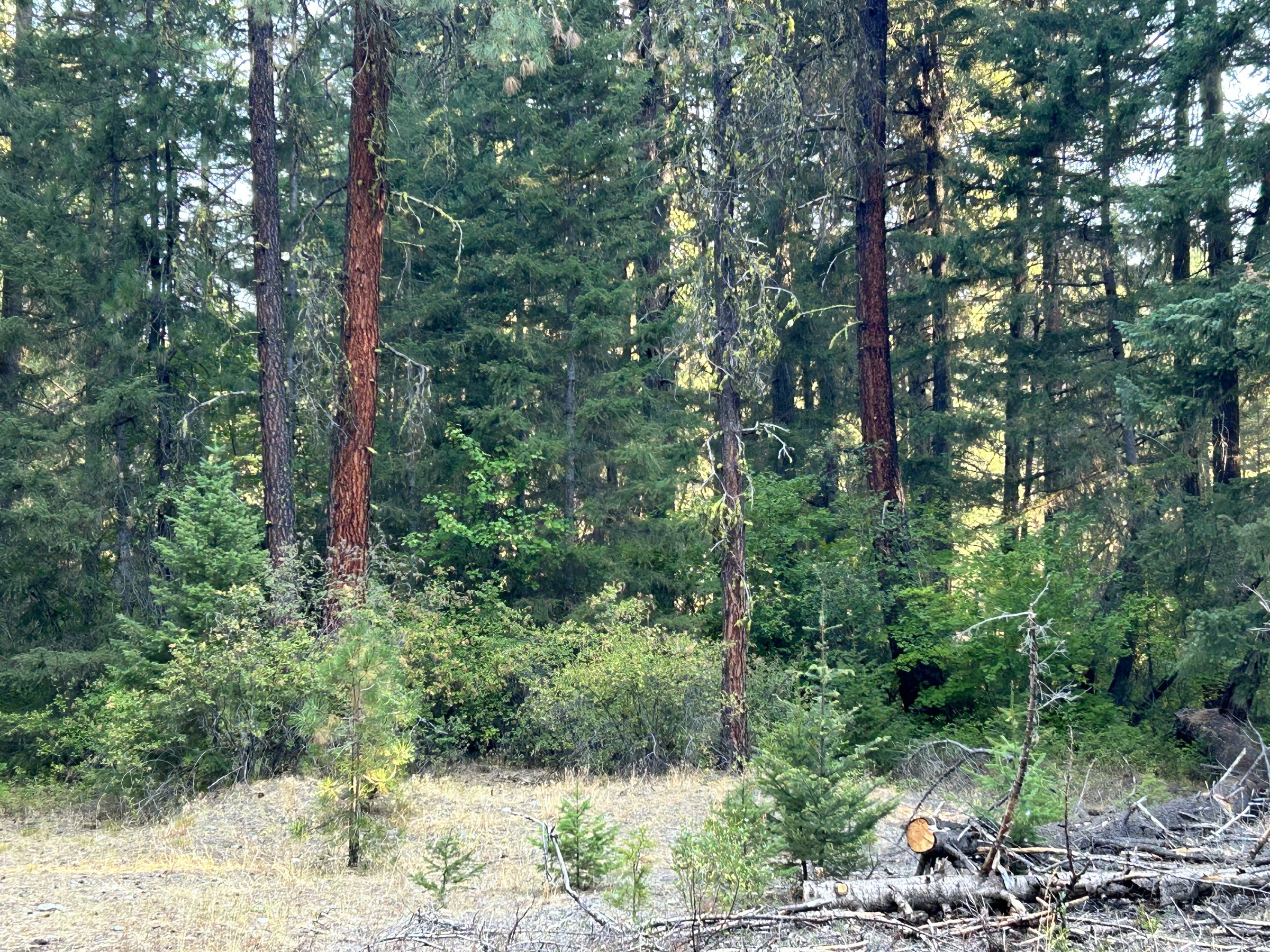
The rich soil of Loess Islands growing wheat in the abundant sunlight. Then the Channeled Scablands, the result of Ice Age megafloods whose existence was hotly contested by the leading geologists of the first half of the last century. Then you’re in the Northern Rockies. Ponderosa pines with massive trunks. A dusty understory of duff, balsamroot, and snowberry.
Spokane is a city on a river. Spokane’s Bridge Division manages 66 bridges, including both vehicular and pedestrian crossings. The confluence of the Spokane River and Latah Creek has seen continuous human habitation for at least 8,000 years according to the archaeological record. The Spokane Tribe has populated the region and fished its waters since time immemorial.
The origin of Dry Fly Distilling is no surprise. Two marketing guys (Don Poffenroth and Kent Fleischmann) fishing the Gallatin in Montana, enjoying the best of the Northern Rockies. They decided to open a distillery at home in Spokane. Their ethos was “farm to bottle” or “grain to glass.”
Spokane’s water comes from the Spokane Valley-Rathdrum Prairie aquifer (SVRP), which stretches underground for 370 square miles in eastern Washington and northern Idaho. The aquifer holds about 10 trillion gallons. Water from the aquifer feeds the Spokane and Little Spokane rivers. In 1978, the EPA designated the SVRP the second sole-source aquifer in the United States, protecting it from pollution.
Triticale is a hybrid of wheat and rye created by a Scottish botanist in the 1870s. The grain is sourced from Ritzville (Scablands) and Rosalia (Palouse). Enjoy a glass after a day on the river. Or at a campfire with friends.
Conservation Victory: The Washington Department of Natural Resources planned to hand over the Thorpe property in the Latah Valley to a private developer in a land exchange. WA Wild built a coalition of about 100 Spokane-area businesses, elected officials, and conservation and recreation groups to oppose the exchange in the media and public comments. Brian Muegge was a leading voice. The exchange was dropped, and as of this writing, WA Wild continues to advocate for a transfer to Spokane Parks to create a park, trails, and a planned nature center.
Areas Under Threat: Within an easy day’s drive, Spokanites can enjoy top-tier outdoor recreation in the Colville National Forest (Profanity Peak, Bald Snow, Hoodoo, Thirteenmile, Kettle Crest) and the Selkirks (Abercrombie-Hooknose, Grassy Top). All currently roadless areas. Home to sensitive wildlife like grizzly, Canada lynx, gray wolf, wolverine, and the Lower 48’s last caribou herd, until its final female was moved to BC in 2019.
The Colville alone holds 20 unprotected inventoried roadless areas meeting Wilderness Act criteria. Ninety-six percent of Washington’s designated Wilderness area is in the Cascades and Olympics. Roads dramatically shift wildlife behavior. Rescinding the Roadless Rule and developing these areas would foreclose the opportunity for Washingtonians to expand Wilderness protection in this part of the state.
The Bottle: Dry Fly Straight Triticale Whiskey, 750ml, 90 proof. Aged three years in new 53-gallon American oak.
Caymus Vineyards, a family winery based in Napa, took a majority stake in Dry Fly in 2024. The two companies first came together on barrels for aging. The relationship grew from there.
Donate to WA Wild: https://wawild.org/engage/donate/
Part of the Washington Whiskeys lot at Wild Night Out, Wed Sep 30, 2026 · Woodland Park Zoo. Bid on the lot at the silent auction table.
These pages are my own writing. The views are mine and don’t necessarily reflect those of Washington Wild.